
Understanding the Legality of Owning a Slot Machine in the US
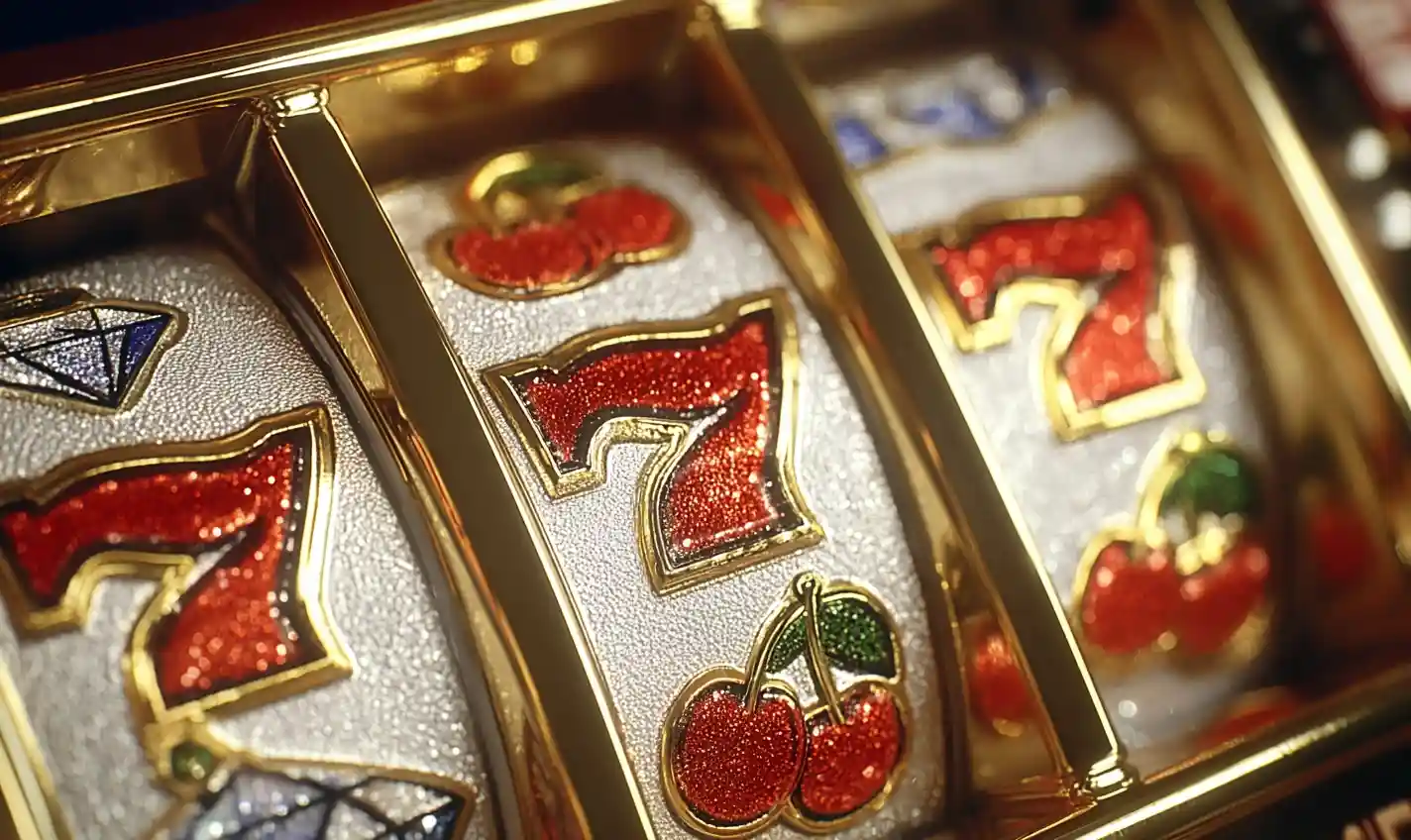
For many, the allure of slot machines goes beyond the thrill of play; it’s about owning a piece of gaming history. However, the question remains: is it legal to own a slot machine in the US? The answer is not straightforward and varies significantly depending on the state you reside in.
Federal vs. State Laws
While federal laws do not explicitly prohibit the private ownership of slot machines, state laws are the primary governing factor. In some states, owning a slot machine is entirely legal, provided the machine is considered an antique—typically defined as being over 25 years old. States like Nevada and New Jersey, known for their vibrant gaming cultures, have more lenient laws, allowing private ownership of slot machines without age restrictions.
States with Restrictions
Contrastingly, states such as Hawaii and Utah have stringent laws against gambling, prohibiting the ownership of slot machines entirely. For states in between, like Texas or California, the legality might depend on specific conditions such as the machine’s age or whether it is intended for public use.
Exploring Slot Themes and Game Development
Slot machines are not just about reels and payouts; they’re a canvas for creativity, showcasing diverse slot themes that captivate players. From ancient civilizations to modern pop culture, the variety is endless.
The Role of a Slot Game Developer
A slot game developer plays a pivotal role in bringing these themes to life. Developers must balance engaging graphics, sound design, and innovative features to keep players entertained. Successful developers often collaborate with popular media franchises to create themed slots that attract a loyal following.
Technical Insights: USB Slot Extender
For those interested in the technical side of slot machines, understanding components like a USB slot extender can be crucial. These extenders are used to enhance connectivity and functionality, allowing for additional hardware or interfaces to be connected to a machine, which can be particularly useful in more complex gaming setups.
Responsible Gaming and Legal Considerations
As with any form of gaming, it’s essential to approach slot machine ownership responsibly. This involves understanding the legal ramifications and ensuring compliance with local laws. For those considering purchasing a slot machine, it’s advisable to consult legal advice to navigate the complexities of state-specific regulations.
Moreover, responsible gaming practices should always be a priority. Setting limits on play time and being aware of the signs of problem gambling can help maintain a healthy relationship with gaming.
Failure Mechanisms in Slot Machine Ownership
Even when legal, owning a slot machine comes with challenges. Maintenance can be costly, and the machine may not generate revenue if not used in a commercial setting. Additionally, misconceptions about profitability and usage can lead to disappointment, especially if the machine is perceived as a quick path to income.
Understanding these potential pitfalls is crucial for anyone considering slot machine ownership. It’s important to have realistic expectations and a clear understanding of the ongoing responsibilities associated with maintaining a slot machine.

